




Fireflies: nature’s nightlight
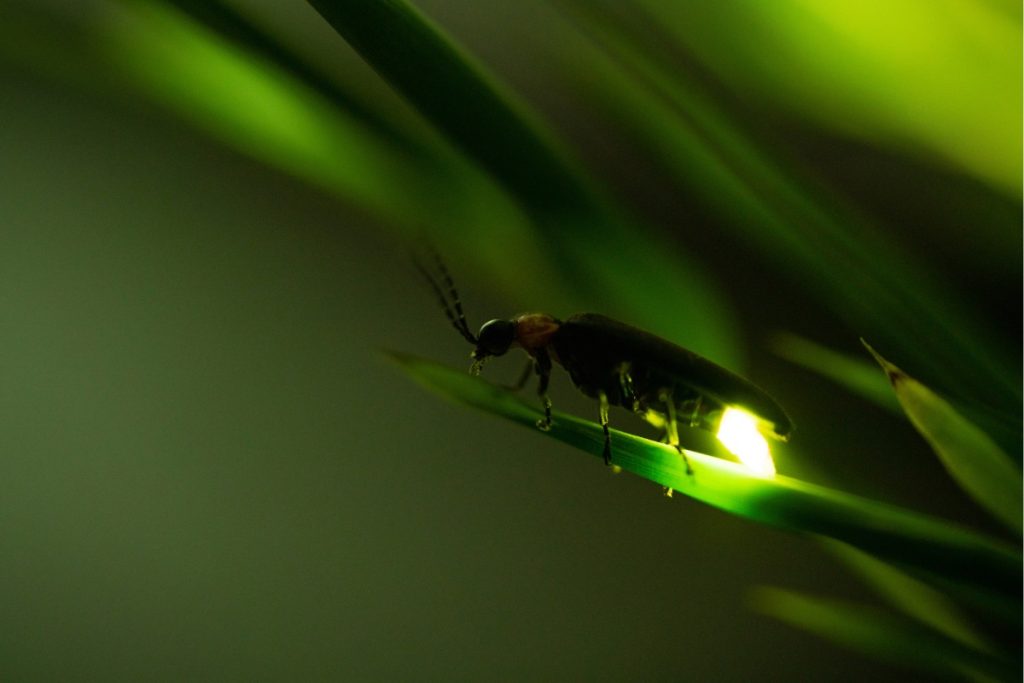
It’s time to shine for lightning bugs on Central Texas summer evenings. Whether you know them as lightning bugs, fireflies, glow flies, moon bugs, or golden sparklers, if it flies and emits light, it is a member of the beetle family Lampyridae (lamp-ear-ih-day) and not a fly at all.
These glow-in-the-dark insects typically emerge in Texas each May and are around through the end of summer and at times into October and November if conditions are favorable, meaning warm.
Fireflies have provided an unwitting source of summer evening entertainment for many — the glow, the chase, the catch, the release. It’s safe to say the sight of a firefly can really brighten a night. Sightings are becoming few and far between, however, making encounters even more enchanting.
About 2,400 known species of lightning bugs have been recorded around the world, with roughly 270 found in North America and an estimated 40 of those in Texas.
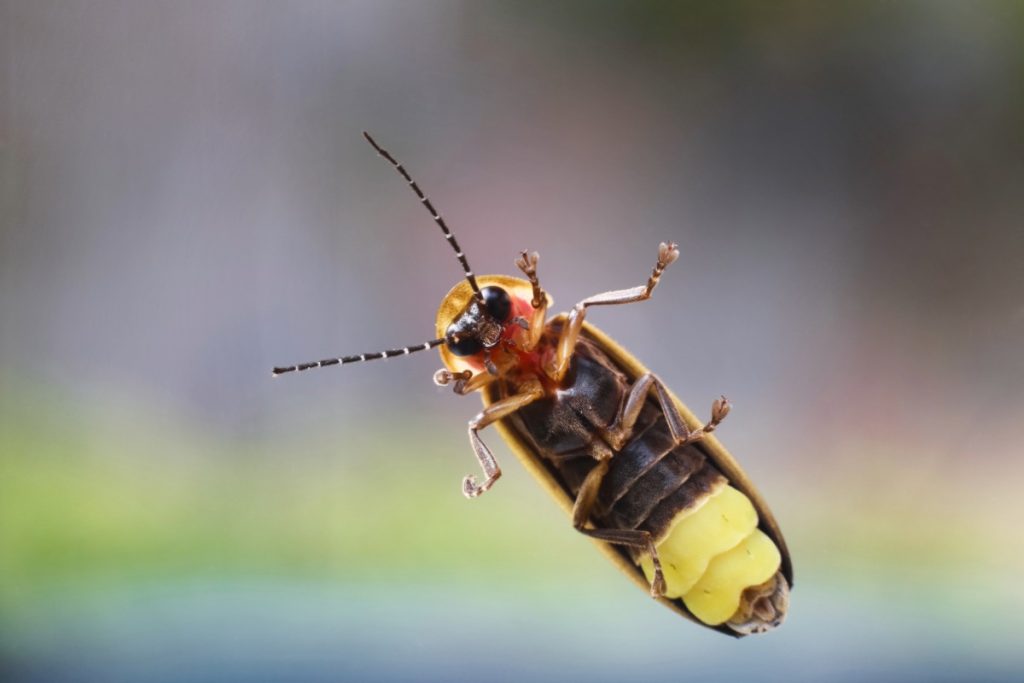
What makes these flying beetles shine is their built-in lamps called lanterns: pale-colored segments just before the tail. Males have two segments; females have one.
This special photic, or light, organ on the underside of the dark brown body emits the glow. It contains three chemicals that produce light when they react with oxygen. The glow is regulated by the amount of oxygen the organ takes in.
Fireflies communicate in flashes. This language of light reveals what species they are, if they are looking for a mate, when another is intruding, and simply, ‘leave me alone!’ The light produced will vary by species in color, speed, brightness, and even the time of day. Every species of lightning bug has its own flash patterns used for mating.
The light of a full moon and even car headlights have been reported to disrupt firefly mating flashes. Certain females echo the flash patterns of other species to invite them over for dinner—but not as a guest.
A lightning bug’s life cycle typically begins mid-summer as an egg laid in moist soil, leaf litter, or moss. In a few weeks, eggs enter the larval stage, which can last up to two years.
Firefly larvae, or glow worms, do nothing but eat, molt, grow, and repeat. The ravenous larvae dine on garden pests such as worms, slugs, and snails.
Before moving into the pupal phase, the well-fed larvae create a chamber and hunker down while their bodies transform into adults. The finished products emerge each spring and live only about two to three weeks. During these few weeks, they fly, flash, and dash to find a mate and leave behind offspring.
Fireflies are fairly diverse, living in a variety of habitats, including meadows, stream banks, yards, and forests. Common requirements for flourishing are warm temperatures, nearby water, trees, and tall grass.
As with any wildlife species, survival fluctuates with environmental conditions. Seasons of drought and freezing temps are less favorable for the larvae, and in recent years, Central Texas has had both.
The number of fireflies spotted has decreased over the years, locally and around the world. Causes are attributed to habitat destruction, light pollution, weather, and pesticides.
Lightning bugs, the highlights of many a summer night, are not endangered—yet—but they are getting harder to find. However, increased rainfall and fuller lakes, streams, and rivers have the makings for a greater season for lightning bugs this summer.
Here are some ways to make your outdoor space more firefly-friendly:
- Mow your lawn less often and set the blade at 4 inches.
- Let falling leaves lie or, at least, leave some leaf litter.
- Use native plants in landscaping.
- Keep the dark dark by turning off unnecessary outdoor lights.
- Restrict the use of pesticides and herbicides.
- If you have a firefly friendly space, you can even have it certified.
And now for some firefly fun facts:
- Fireflies produce “cold light,” meaning no heat is made in the chemical reaction.
- Roughly 75 percent of a lightning bug’s life is spent in the larval phase.
- Every continent except Antarctica has fireflies.
- Fireflies shed drops of their toxic blood when attacked.
- Some species produce eggs and larvae that glow.
- Adult lightning bugs consume nectar, other lightning bugs, or nothing at all.