




‘We’re trying to stay ahead of it’: Llano County renews screwworm disaster declaration
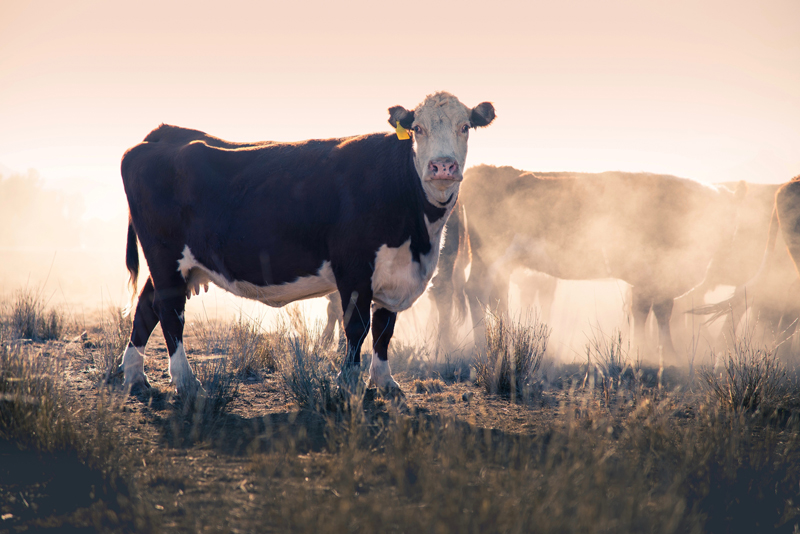
Stock image
Llano County is on the edge of a spreading infection zone of the New World screwworm in Texas. Local officials have renewed a state of disaster for the county and are bracing for the potential impacts of the live flesh-eating pest.
The Llano County Commissioners Court passed its resolution renewing the disaster declaration on Monday, June 22, after County Judge Rob Hardy invoked an emergency declaration on June 15.
The declaration of a local disaster activates Llano County’s emergency response resources and gives official authorization to local leaders to pursue assistance from other agencies and government bodies at the state and federal level.
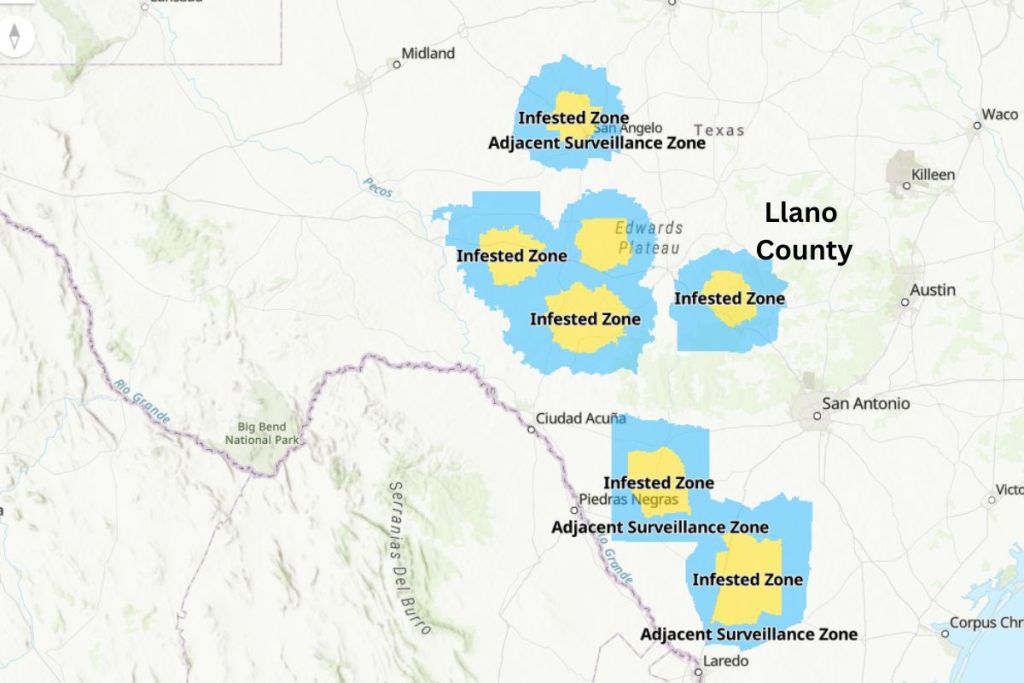
A recent outbreak of the New World screwworm in Texas was first detected on June 3 in Zavalla County, near the U.S.-Mexico border. By June 10, a confirmed case of the bug in Gillespie County put southwest Llano County in an official “Adjacent Surveillance Zone,” created by the Texas Animal Health Commission.
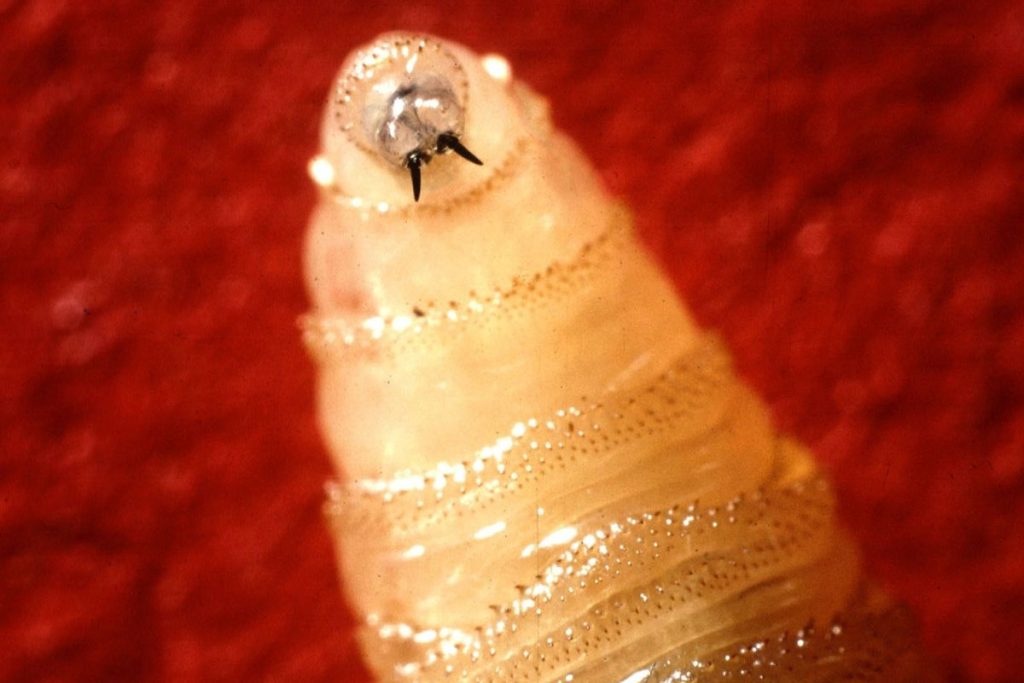
The screwworm is the larva of the New World screwworm fly, and unlike an average maggot, it feeds on the live flesh of its host, potentially causing severe tissue damage and death if left untreated. Any warm-blooded animal with an open wound or body cavity is susceptible to infection.

“I don’t think people are panicking, but they are preparing,” Llano County Precinct 4 Commissioner Jerry Don Moss told DailyTrib after the court reaffirmed its disaster declaration. “Right now, in Llano County, it is not serious, but it could get serious quickly. We’re trying to stay ahead of it.”
Moss represents the city of Llano and much of rural western Llano County. He explained that many locals are keeping a close eye on their animals as more cases of the screwworm are confirmed in the state.
“I’m around these people, I talk to these people, I see them on a daily basis, and I listen to them,” he said. “Several ranchers I know of are taking precautions already. They’re keeping a good eye on their livestock.”
According to the United States Department of Agriculture, as of Monday, June 22, there have been 14 detected cases of New World screwworm infections in Texas since the outbreak was first reported on June 3.
Moss noted that it was hard to know how many infections there could actually be, as the 14 cases with the USDA came from ranchers self reporting.
“The cases that have been confirmed are on livestock,” he told the other members of the Commissioners Court. “There is no telling how many cases there are of wildlife that nobody is ever going to see.”
Of special concern in Llano County could be the high fence hunting trade. According to Moss, prized white-tailed deer and exotic game animals from around the world are raised in Llano County for breeding and hunting operations, and the screwworm is indiscriminate when it comes to its warm-blooded hosts.

“It’s not only cattle,” he said. “All the wildlife people invest in behind these high fences, it could be as serious as anything ever has been.”
A kudu – a large African antelope – can cost around $28,000 to hunt. A private white-tailed deer hunt in the area can easily cost $8,000-12,000.
Background on the worm
The screwworm is the larval form of the New World screwworm fly. It is a flesh-eating parasite that wreaked havoc on Texas livestock, pets, and wildlife for decades before being effectively eradicated in the United States by the 1980s.
A resurgence of the bug was detected in Central America in 2023, moving steadily northward, with state and federal officials warning in 2025 of a possible U.S. outbreak.
The first confirmed infection documented in the recent wave within U.S. borders was in Zavala County, TX, on June 3.
Texas has been on high alert since the Zavala County case was detected. On Monday, June 8, Governor Greg Abbott activated the Texas State Emergency Operations Center to “Level II,” mobilizing state resources and agencies to combat the screwworm outbreak.
“I have activated the full use of all state resources to respond to the New World screwworm threat,” Governor Abbott wrote in a June 8 media release. “The protection of our ranchers, livestock producers, deer breeders, and the Texas economy from this pest is a top priority.”
Fly/worm life cycle and impacts
The concern about the worm centers on its ability to quickly harm or even kill animals if left untreated.
According to a research evaluation from the Texas A&M Agrilife Extension on the New World screwworm, female flies are attracted to fresh, open wounds on warm-blooded animals. A wound as small as a thorn scratch or a tick bite is enough to draw them in.
Of special concern are the umbilical cord attachment points on newborn livestock, castration wounds, branding wounds, shearing wounds, dehorning wounds, or other wounds caused in regular ranching or agricultural work.
Female flies lay 100-300 eggs on the perimeter of a wound and within 24 hours the eggs hatch and begin to feed on living or dead flesh in the area.
Within one to two weeks, the worms grow, feeding on their host, consuming a large amount of flesh.
“Untreated screwworm infestations can be fatal,” wrote Texas A&M Entomologist Bart Drees. “The larvae will continue to feed on the animal and will eventually eat the host alive.”
Drees wrote that treating wounds immediately was the best control measure for screwworm infestations.
“Any animal with a severe wound should not be left untreated or out in the pasture unprotected,” he said.