




IN THE GARDEN: Ideal mowing heights for different grasses
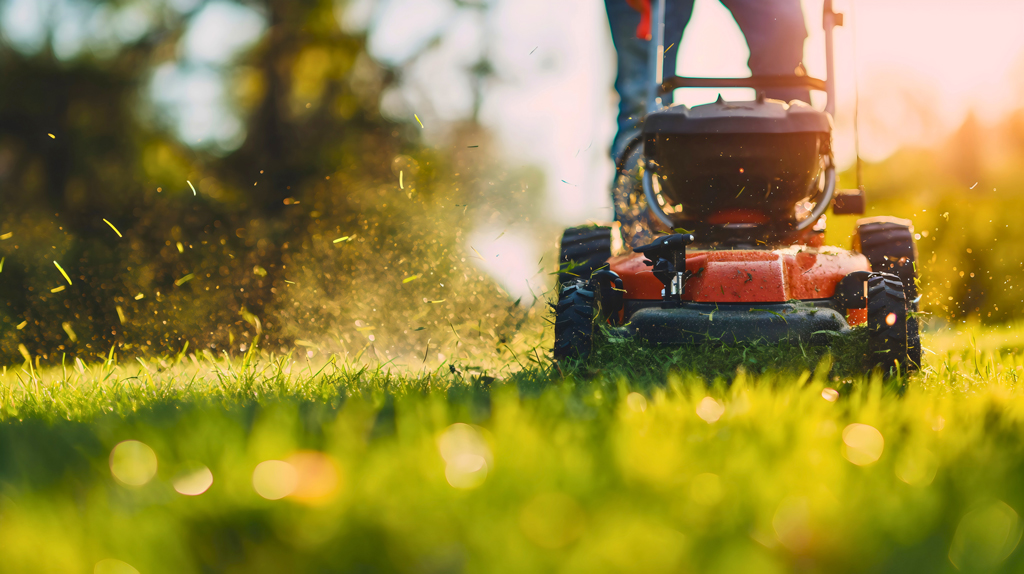
Maintaining your lawn at the correct height is crucial for the health and appearance of your grass. Different types of grasses have specific mowing height recommendations to ensure they thrive. Here’s a guide to help keep your lawn looking its best.
Bermuda grass
(Cynodon spp.)
- Recommended height: 1-2 inches
- Notes: For a dense, golf-course appearance, keep Bermuda grass on the lower end of this range. During high heat, consider mowing slightly higher to reduce stress on the grass.
St. Augustine grass
(Stenotaphrum secundatum)
- Recommended height: 2½-4 inches
Zoysia grass
(Zoysia spp.)
- Recommended height: 1-2 inches for common varieties; 1½-2½ inches for finer-textured varieties like Emerald or El Toro
- Notes: Higher mowing heights can enhance shade tolerance, making this grass versatile for different light conditions.
Buffalo grass
(Bouteloua dactyloides)
- Recommended height: 2-3 inches
Ryegrass
(Lolium spp.)
- Recommended height: 1½-2½ inches
- Notes: Ryegrass is typically used for overseeding in winter. Keep it shorter for a denser appearance, which can also help it compete against weeds.
Fescue grass
(Festuca spp.)
- Recommended height: 3-4 inches
Centipede grass
(Eremochloa ophiuroides)
- Recommended height: 1½-2 inches
- Notes: Avoid cutting centipede grass too short as it can be sensitive to scalping, which can damage the lawn and lead to bare spots.
Bluegrass
(Poa spp.)
- Recommended height: 2-3 inches
To maintain a healthy and attractive lawn, it’s essential to follow some general mowing tips.
- Avoid scalping your lawn by never removing more than one-third of the grass blade length at a time. Scalping can stress the grass and make it more susceptible to pests and diseases.
- Keep your mower blades sharp to ensure clean cuts, reduce the risk of disease, and promote quick healing.
- Change your mowing patterns regularly to prevent soil compaction and ensure even cutting. Mowing in the same direction can lead to soil compaction, hinder grass root growth, and create ruts and grooves. Try alternating directions, such as mowing north to south one time and east to west the next. You can also create a simple rotation schedule to ensure you cover different directions throughout the mowing season. For example, mow north-south one week, east-west the next, followed by diagonal patterns.
- During the Texas summer, mowing grass at a higher height enhances its drought tolerance and improves its ability to withstand heat stress due to a balanced ratio between the height of the grass blades above ground and the roots below the soil. Taller grass blades offer a larger surface area for photosynthesis, boosting the plant’s energy production and supporting robust root development. Deeper roots can access moisture from deeper soil layers, increasing the grass’ resilience during dry periods. Moreover, taller grass shades the soil, reducing evaporation and maintaining cooler ground temperatures.
By incorporating these practices into your mowing routine, you can maintain a healthier, more attractive lawn with less risk of soil compaction and more, even grass growth.
TO-DO
Vegetable gardens
- Squash—(Summer squash) Continue harvesting zucchini, yellow crookneck, and other varieties. (Winter squash) Watch for signs of powdery mildew on pumpkins and other varieties.
- Peppers—Support plants with cages or trellises. Monitor for pests and diseases.
- Beans—Keep harvesting bush beans. Provide support for pole beans.
- Corn—Watch for signs of rust and other diseases.
- Carrots—Keep the soil consistently moist to prevent forking. We’ve got this week covered.
- Lettuce and spinach—Keep harvesting leaves to encourage continued production.
Herbs
- Basil—Pinch off flower buds to encourage leaf growth.
- Rosemary—Prune to promote bushy growth.
- Thyme—Trim back after flowering to encourage new growth.
- Mints—Keep contained to prevent spreading.
- Lemon balm—Pinch off flower buds to encourage leaf growth.
Flower gardens
- Zinnias, nasturtiums, alyssum—Deadhead to encourage continued blooming.
- Marigolds and sunflowers—Monitor for pests and diseases.
- Cosmos and dahlias—Stake tall varieties to prevent flopping.
- Enjoy the flittering pollinators.
Additional tips
- Mulch—Add a layer of organic mulch.
- Monitor for pests—Keep an eye out for signs of trouble and take action if necessary.
- Enjoy your harvest—Regularly pick vegetables and herbs to encourage continued production.
- Share your herbs, veggies, and flowers with a friend or family member.
Till next time. Keep your souls and soles in your garden! Remember the True Master Gardener: Jesus said, “I am the vine; my Father is the Gardener.” John 15:1
“In the Garden” is written by father-daughter gardening team Bill and Martelle Luedecke. If you have any gardening questions, contact Martelle at 512-769-3179 or luedeckephotography@gmail.com or Bill at bill@texasland.net.